
The Housing Affordability Crisis: The Crushing Impact of Rising Living Costs in Australia
- Oct 12, 2025
- 2 min read
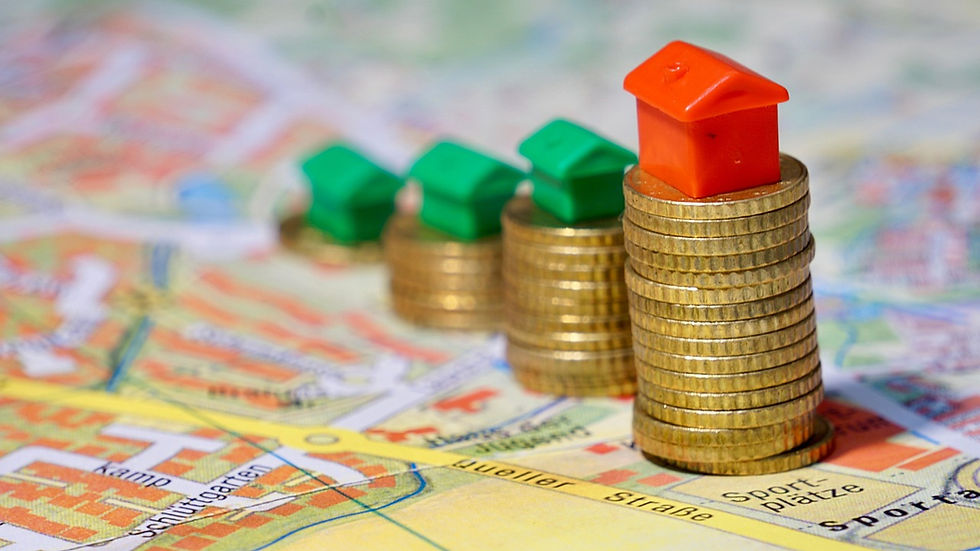
Remember when your parents bought their first home on a single income? For many today, that reality feels like a distant dream. The modern challenge of the housing affordability crisis is a pressing issue, where even dual-income households are squeezed between skyrocketing daily expenses and the daunting property market.
The Squeeze: Australia's Rising Cost of Living
A simple walk through the supermarket tells the story. The cost of essentials—from food to utilities—has surged, outpacing wage growth and eroding disposable income. Soaring energy bills, petrol prices, and insurance premiums mean that what was once a comfortable income now barely covers the basics for many families. This financial pressure creates a direct and powerful headwind against saving for a home.
How Everyday Costs Fuel the Housing Affordability Crisis
The link is straightforward but brutal. Every extra dollar spent on groceries or bills is a dollar not going into your house deposit. But the impact goes deeper than just savings. When lenders assess your borrowing power, they subtract your living expenses from your income. As the cost of living climbs, your calculated borrowing capacity shrinks. This creates a vicious cycle: you need to borrow more to buy a home, but the system says you can afford to borrow less. The rental market offers no escape, with rising costs for landlords often translating to higher rents, making it even harder for tenants to save.
The Great Divide: Wages vs. Property Prices
At the heart of this affordability crisis is a fundamental disconnect. Over the past decade, property prices in major cities have skyrocketed, while wages have increased at a much slower pace. A generation ago, a typical house cost three to four times an average annual income. Today, in many urban centres, that ratio has ballooned to ten times or more. This isn't just a number; it represents a profound shift in opportunity and a major source of financial stress for aspiring homeowners.
Smart Strategies in a Tough Market
Despite the challenges, Australians are adapting with innovative approaches. Success now often involves thinking outside the traditional blueprint. This includes:
Expanding Horizons: Looking to emerging suburbs or regional hubs where remote work opportunities and better value intersect.
Financial Innovation: Exploring pathways like guarantor loans, house and land packages, or "rentvesting" to get a foot on the property ladder.
Ultra-Disciplined Saving: Mastering budgeting to cut unnecessary expenses, which is more crucial now than ever.
Is There a Light at the End of the Tunnel?
Market conditions are never static. Interest rates, government policies like first-home buyer schemes, and increased housing supply in growth areas can all influence future property affordability. While the current situation is tough, understanding these cycles and staying informed about new opportunities is key to long-term planning.
Conclusion: Forging Your Own Path
The housing affordability crisis presents a significant hurdle, but it is not insurmountable. It demands a clear-eyed view of the market, creative thinking, and sometimes, a willingness to compromise on a first home's location or type. The path to homeownership may look different than it did for previous generations, but by adopting new strategies and maintaining persistence, the goal remains achievable. Your journey is unique—start where you are, use the tools available, and take that first informed step.


Comments